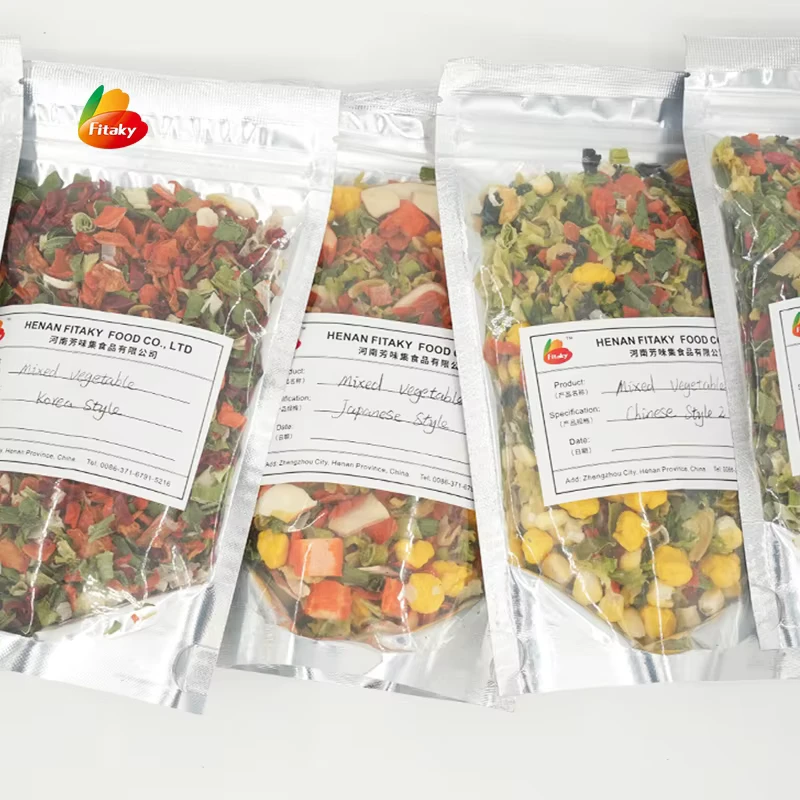

Compare mountain jelly vegetable, diced onion, and carrot slices for retail, foodservice, private-label, and pet product sourcing.
Ingredient buyers rarely need one vegetable format for every application. Texture, cut size, moisture level, packaging, and shelf life all influence how a dried ingredient performs. Three distinctive options—mountain jelly vegetable, onion, and carrot—can support food manufacturing, wholesale distribution, private-label retail, and specialized pet product development.
Different Formats for Different Markets
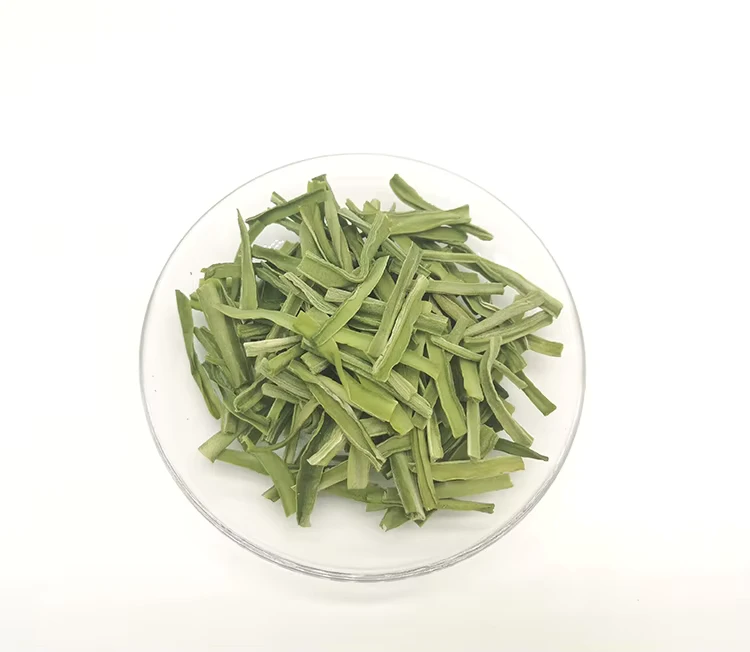
Dried mountain jelly vegetable, also known as gong cai, offers a less conventional choice for buyers seeking a recognizable lettuce-based ingredient. The AD-processed slices contain no added ingredients, while specifications and packaging can be customized. Bulk, vacuum, and gift-packing options make the product adaptable to foodservice, retail, and regional specialty markets.
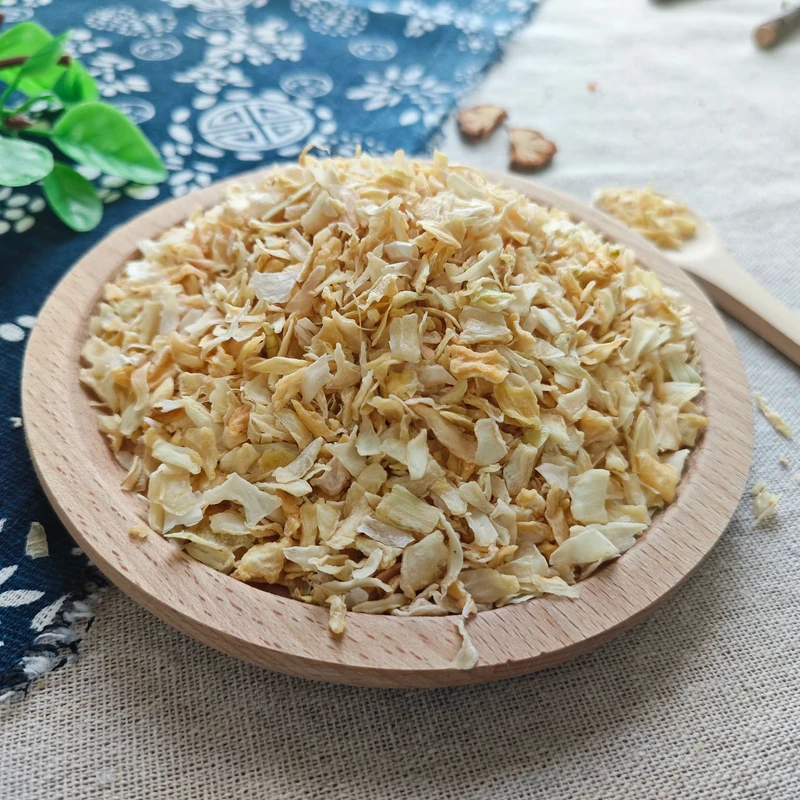
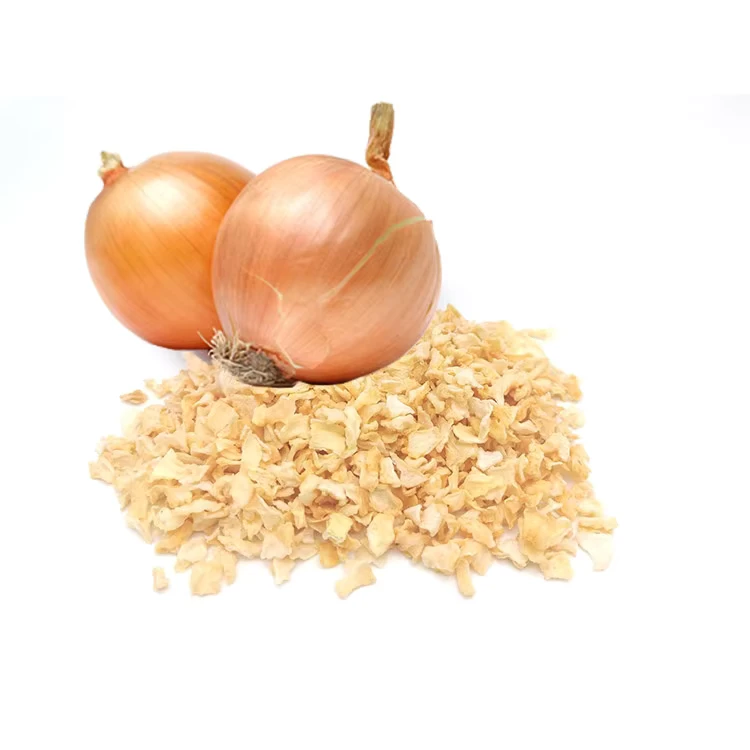
For broader industrial use,dehydrated onion provides a practical aromatic base for soups, sauces, seasonings, ready meals, and savory snacks. Available cube sizes include 10 × 10 mm, 5 × 5 mm, and 3 × 3 mm. A maximum moisture level of 6% and a stated shelf life of 24 months help purchasing teams plan storage and inventory cycles.
A Plant-Based Option for Pet Product Lines
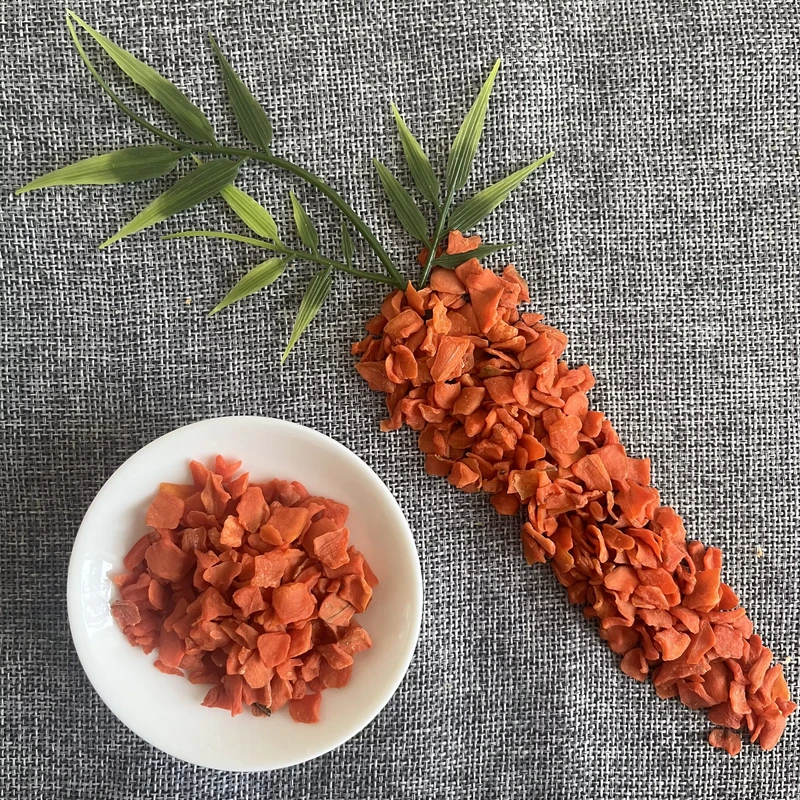
Dried carrot slices add natural color and a familiar vegetable identity to pet treat ranges. The product contains dehydrated carrot without additional ingredients and can be supplied in bulk, drums, tanks, vacuum packs, or gift packaging. Buyers should evaluate slice size, serving format, labeling requirements, and intended use when developing finished pet products.
Importers and brand owners can explore more dehydrated vegetables to compare formats and applications. For quotations, samples, customized specifications, or packaging discussions, contact the supplier with your target market, required quantity, and preferred delivery schedule.